
Welcome to the world's most extensive apples (pommes) database.
Information on over 7,000 apples is available here, all carefully researched and provided in a way that is easy to navigate.
Apples with the use of cider
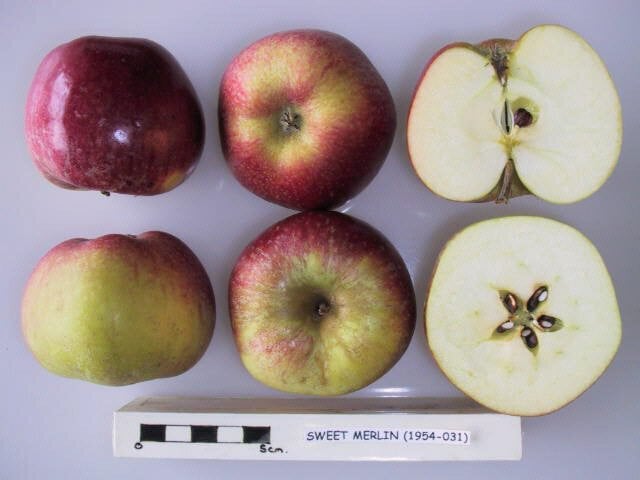
Sweet Merlin
1
characteristics: The flesh is yellowish, firm. Dry, sweet and somewhat tart. Aromatic.
Sweet Rusty Coat

summary: Reputed to be one of the finest Gloucestershire cider apples.
Sweet Winesap
characteristics: Flesh is white, fine-grained, somewhat crisp, juicy. Very sweet.
Swiss Limbertwig
summary: One of about a dozen limbertwig varieties that thrived in the clay soils of the Columbia Mountains in southeastern United States through the 1800s, this one ...
Symes' Seedling
characteristics: The flesh is cream-coloured, melting and juicy. Harold Taylor, in his 1945 edition of "The Apples of England," rates it has having a "pleasant faint scent" and ...
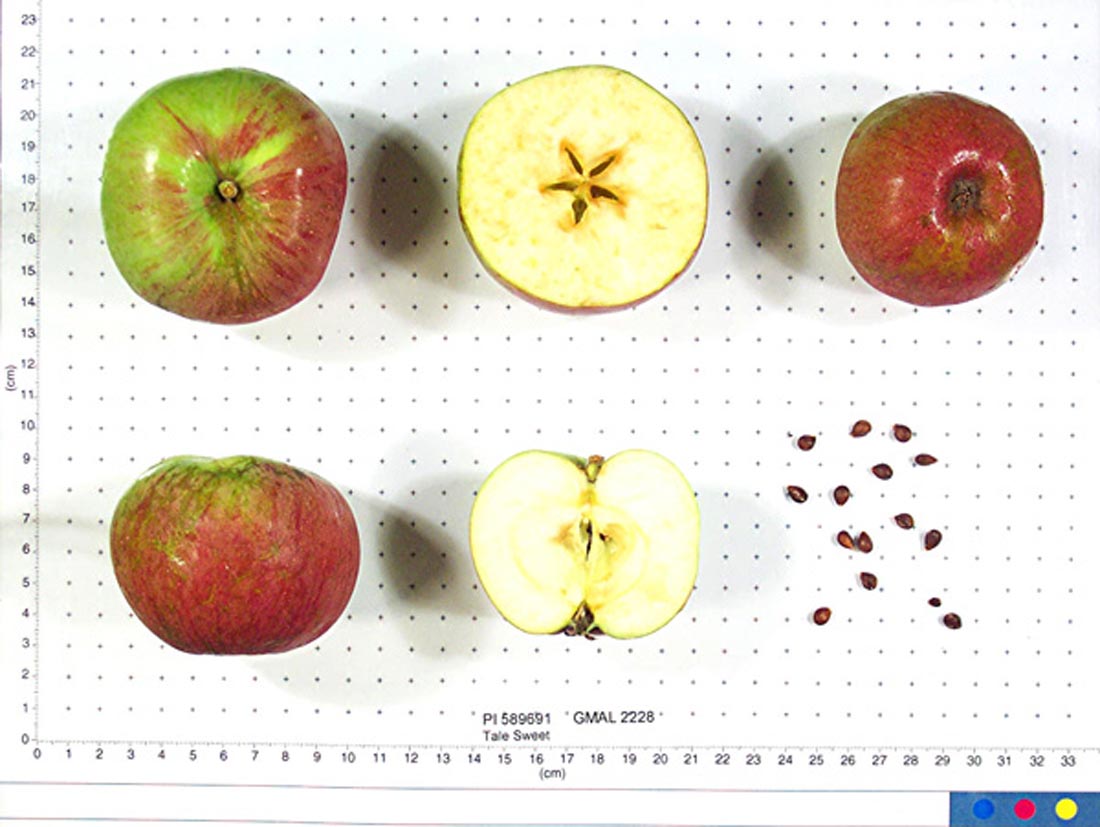
Taliaferro
characteristics: The flesh is yellowish, very juicy and “with exquisite flavor.”

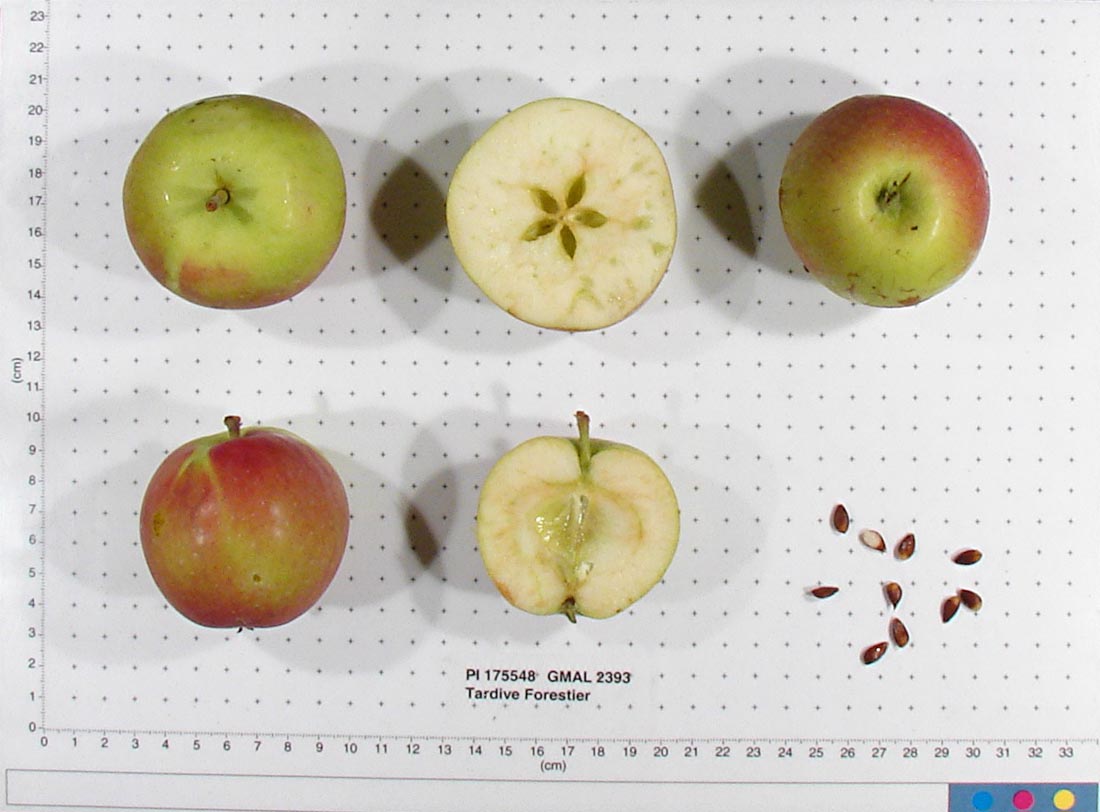
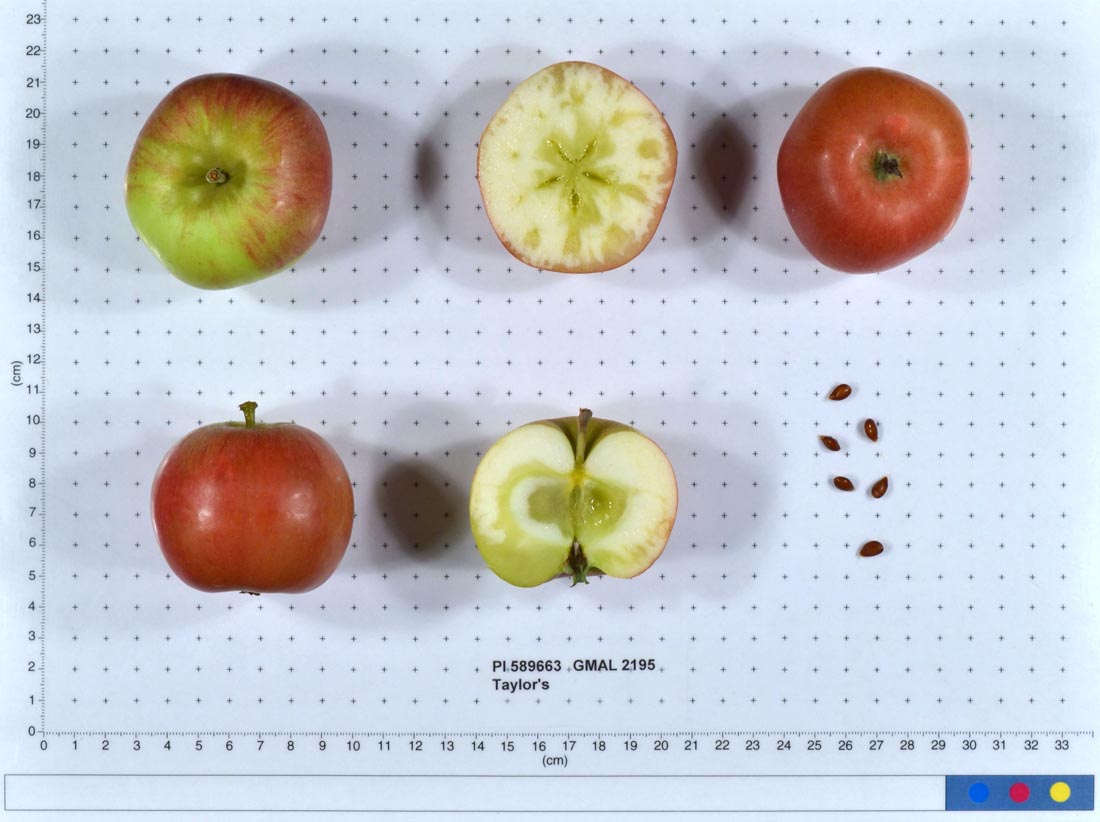
Taylor's Sweet
1
summary: Highly regarded as a dessert apple and also for eating fresh from the tree..
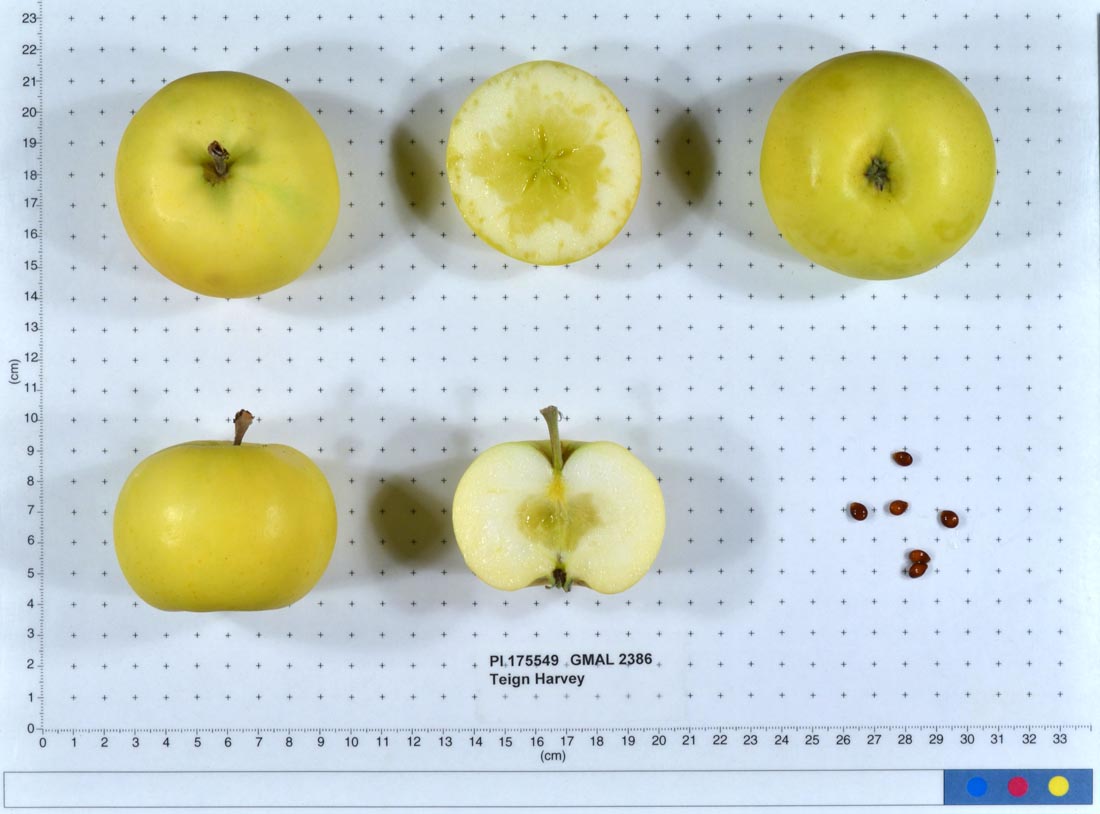
Tenderskin
summary: A flavourful apple for the garden, but far too tender skinned for commercial harvests. Grows fruit in clusters.
Teórica
summary: A sharp apple used in the making of Asturian cider. One of 22 cider varieties recognized under the Denominación de Origen Regulada for the Principality of ...
Thornberry
summary: Descended from the red-fleshed apples that date back to the pink-fleshed Surprise apples found growing in the Eurasian hill-country in the early 1800s.
Three Counties
origins: Specifically bred by Liz Copas and Ray Williams at the Long Ashton Research Station in Somerset (U.K.) to provide England's commercial cider industry with a ...
Thurgauer Weinapfel
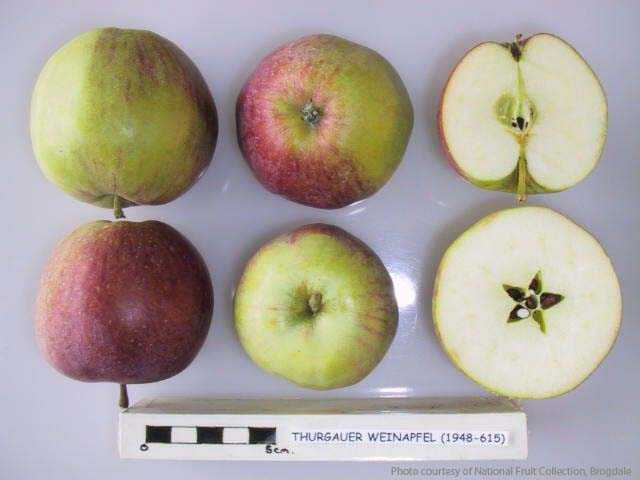
1
summary: A highly regarded cider apple that originated in Switzerland in the mid-1800s.
Tina
origins: Specifically bred by Liz Copas and Ray Williams at the Long Ashton Research Station in Somerset (U.K.) to provide England's commercial cider industry with a ...
Tobi sler
characteristics: The flesh is greenish, coarse?grained, crisp, firm. very acid. Brix 11.9, acidity 7.9 g/litre
Donate a cider?